Who repairs HLF coffee machines in Toronto and the GTA?
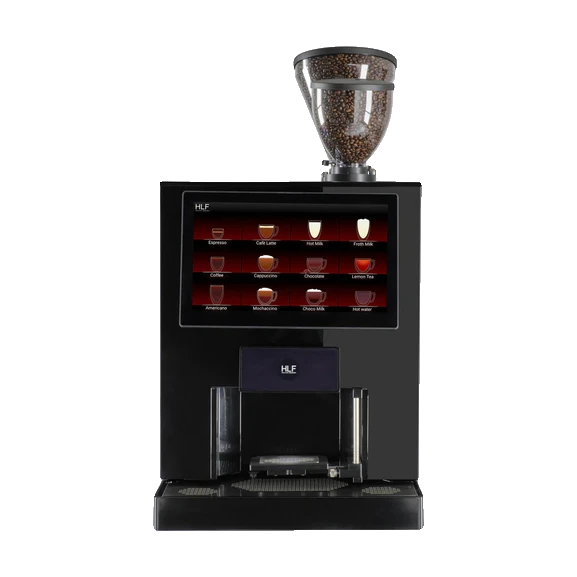
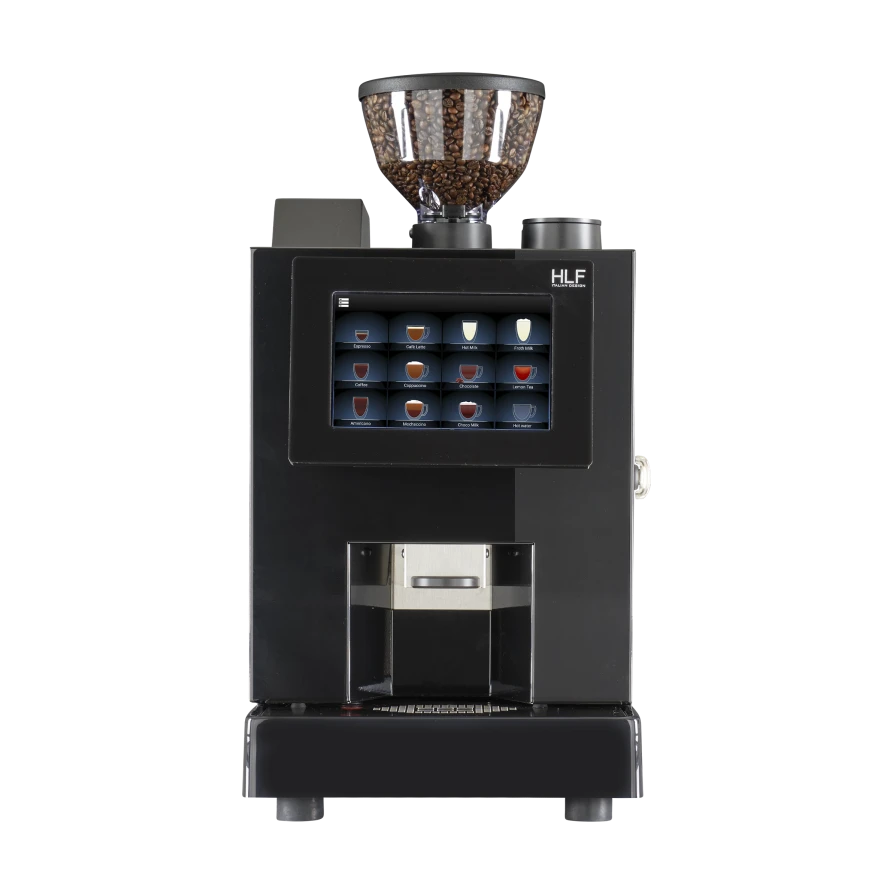
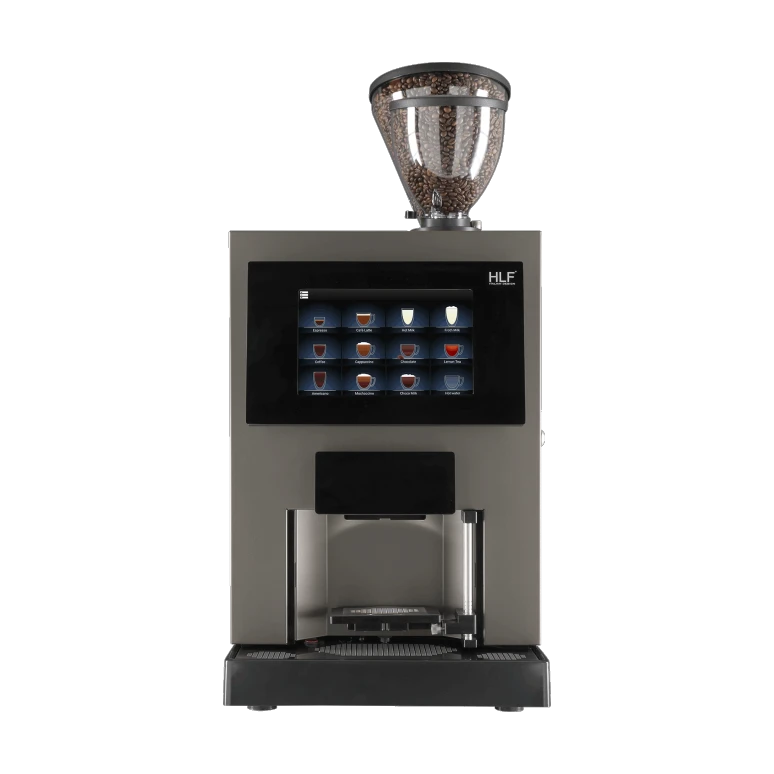
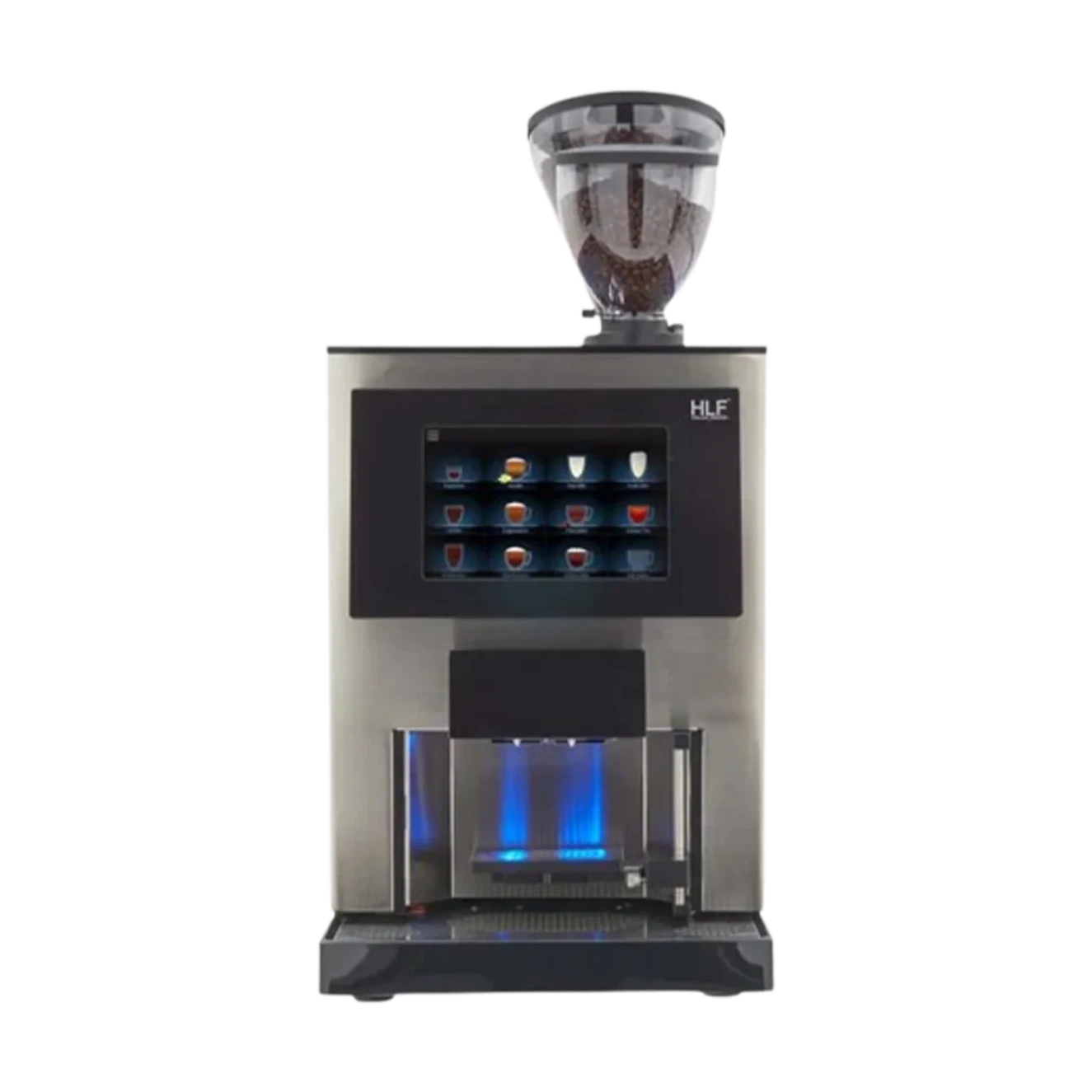
We do, and have for over a decade. Grajqevci services HLF Italian Design machines in offices, hotels, and self-serve coffee programs from Hamilton out to Markham, with the 1700 through 5700 platforms all in regular rotation. The coverage list further down the page shows every zone we reach.
Are you an authorized HLF service centre?
No, and we say that plainly. We're independent commercial coffee equipment specialists, which means no manufacturer pricing book and no pressure to retire a machine that still has years in it. It also means we keep servicing the older 3600 and 4400 models long after official attention moves on.
How fast can you get to a broken HLF machine?
Calls before mid-morning usually see a technician the same day; later calls book for the next business day. Tell us the model and the fault when you call, because that decides which parts ride out on the van. A site with no working coffee at all gets bumped up the route.
How much does HLF repair cost?
A flat visit rate covers travel and diagnosis, and you hear that number before anyone is dispatched. Parts go on top at their actual cost: milk-system springs and seals are cheap, a boiler element or display module is not. Anything substantial gets quoted in writing at the machine before work begins.
What breaks most often on HLF machines?
The milk system, by a wide margin. Auto-milk builds depend on a clean foam chamber, a healthy air-intake spring, and a calibrated air valve, and milk residue attacks all three. Brew unit jams come second, almost always from grind buildup, and scale-related boiler faults round out the top three.
What does error E10 mean on an HLF machine?
E10 says the brew unit couldn't reach its commanded position, so coffee dispense is locked out. Grind buildup binding the piston is the usual cause, with worn cam followers and dry lubrication behind the repeat offenders. Power-cycle once and let it self-home; if the code returns, the brew unit needs a proper service rather than another restart.
Why is the milk foam on my HLF weak or gone completely?
Dried milk in the air bore, a worn air-intake gasket, or an air valve that has drifted out of calibration. Foam on these machines is an exact air-to-milk ratio, and a pinhole leak is enough to flatten it. Run the milk cleaning cycle first; if foam doesn't recover, the module needs stripping and recalibrating.
My HLF keeps asking for a descale even though I just ran one. Why?
Either the cycle didn't run end-to-end, the counter never reset, or the water-hardness setting doesn't match what's actually coming out of your tap. We see all three weekly. A technician verifies the descale actually worked, resets the counter through the service menu, and corrects the hardness configuration so the alerts track reality.
Do you service both the manual milk and auto milk versions?
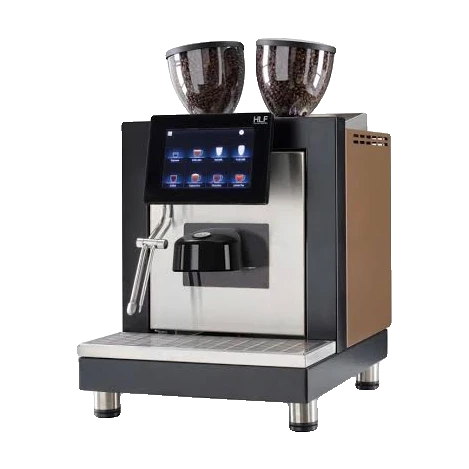
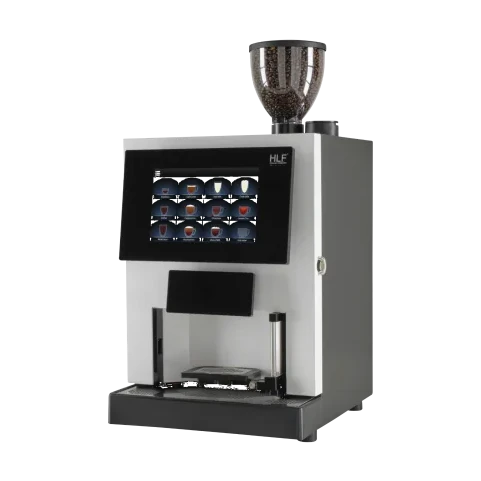
Yes, both builds of the 1700 and the 2700. They share a chassis but not a milk workflow: the manual wand needs descaling and valve work, while the auto module needs sanitation, springs, seals, and air calibration. Tell us which build you run when you book so the right kit is on the van.
Can you still repair an HLF 3600 or 4400?
Yes. Both generations are out of the current lineup but still common in GTA break rooms, and we keep them on the books. Parts take a little longer to source than for the current range, so if a legacy unit matters to your operation, deal with small faults before they grow.
What's the service difference between the HLF 3700 and the 5700?
The 3700 runs dual boilers, the 5700 a multi-boiler stack with a milk system that handles hot and cold profiles. More boilers mean more elements and sensors to test and descale, and the 5700's cold-milk side carries its own calibration. Day to day they're similar machines to live with; the 5700 simply has more going on inside.
Is the HLF ST700 harder to service than the super-automatics?
Not harder, just different. The ST700 is semi-traditional, so steam work runs the boilers harder and the workflow puts more wear on valves and groups than a one-touch machine sees. We service both architectures, which matters because a super-automatic specialist who has never touched the semi-traditional side will misread it.
Can you look after HLF machines across multiple sites?
Yes, and OCS operators are a big part of our HLF work. Multi-site fleets get coordinated scheduling, one report per round, and pattern-spotting across locations: when the same fault shows up at three sites, the cause is usually the water or the routine, not three coincidences.
How long should an HLF machine last?
Ten to twelve years with proper service is the realistic window. The two things that shorten it are scale and milk hygiene, and both are controllable. We have machines on our roster pushing past a decade that pour as well as they did new.
Where do HLF parts come from in Canada?
HLF is an Italian platform, so deeper components come through importer and European channels, ordered against the specific fault. The high-turnover wear parts (milk-system springs and seals, brew unit gaskets, O-rings, sensors) stay stocked on our trucks. You hear the lead time before committing to anything.
Does GTA water damage HLF machines?
Left unmanaged, yes. Local supplies run moderate to hard depending on the city, and scale is the slow killer of boilers, flow meters, and milk heat exchangers. Matched filtration plus a descale interval set to your actual hardness keeps it boring, and we check scale condition on every visit.
My HLF touchscreen is frozen. Do I need a new machine?
Almost certainly not. Most frozen screens are firmware hangs that clear with a controlled reset, and a reflash settles the stubborn ones. Even a genuinely failed display is a module swap, not a retirement. We confirm which case yours is before quoting.
The Wi-Fi features on our HLF stopped working. Can you fix that?
Yes. Connectivity is standard across the HLF range, and most dropouts trace to a router change the machine was never told about. We re-verify credentials, update the comms firmware, and replace the module only if it keeps failing after that. Remote menus and telemetry come back with it.
Is an HLF machine worth repairing, or should we replace it?
Run the math, and the math usually says repair. Most HLF faults are wear parts and calibrations that cost a small fraction of a new machine. The conversation changes when an older unit needs several major components at once, and if yours is there, we'll say so before you spend.
Will you work on an HLF that's still under warranty?
Carefully, and sometimes our advice is to use the warranty channel first; if the fault is covered, that's your cheapest fix and we'll say so on the phone. Most of what actually fails day to day (scale, milk hygiene, worn consumables) sits outside coverage anyway, and that work is ours all year.