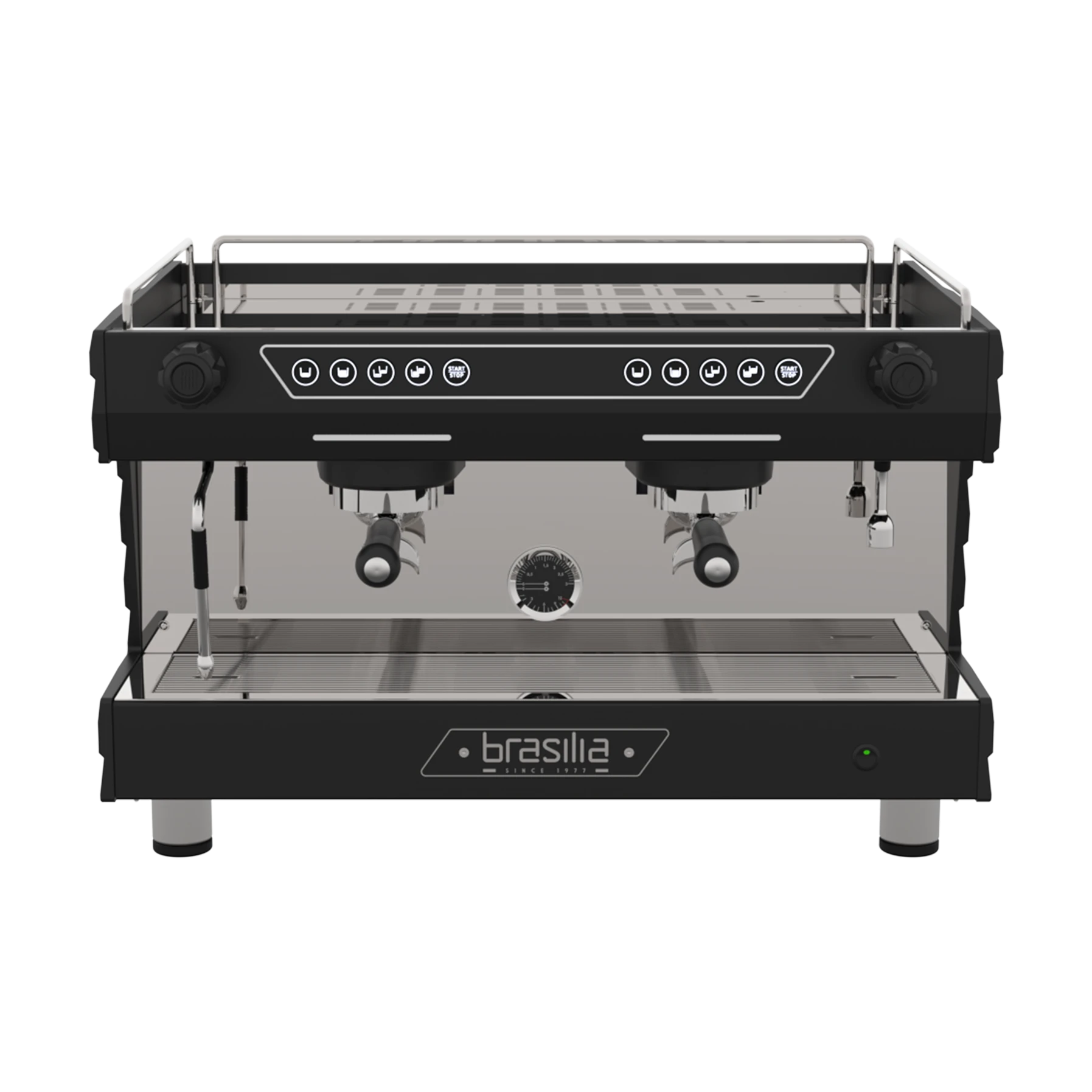
Why is the brew pressure on my Classyc low or bouncing around?
Rotary pump wear or a drifted OPV, in that order of likelihood. We measure pressure at the portafilter, set the OPV back to the 9 bar spec, and rebuild or replace the pump head if it still can't hold under load. Parts for these pumps are widely available, so it's rarely a long wait.
Is the Classyc's copper boiler easier to look after than stainless?
Different rather than easier. The 10.5L copper alloy boiler still scales on hard water, but the brass and copper fittings come apart cooperatively, which keeps descale and element work quick. The thermosyphon needs the same scale vigilance as any traditional machine.
One button on my Classyc stopped responding. Is that a big repair?
No. The raised physical switches are individually replaceable, so we test continuity, swap the failed switch, and confirm the volumetric programming still records on every selection. It's one of the smaller jobs on our books.
Is an entry-level machine like the Classyc actually worth repairing?
Almost always. Its parts are conventional and inexpensive, the labour is short, and a serviced Classyc keeps working long past the point the purchase price is forgotten. The math only tips toward replacement when several major components fail at once, and we'll show you that math before you decide.
What does the thermosyphon on the Classyc do, and how does it fail?
It circulates hot water from the boiler through the group continuously, which is what keeps the group at brewing temperature between shots. Scale chokes that circulation, the group runs cool, and shots go sour. A proper descale restores the flow, and we verify group temperature afterward.
Can a Classyc handle 400 shots every day?
That's its rating, and it holds it best at a steady pace rather than in one crushing rush. Run hard, the wear schedule simply compresses: gaskets, screens, and descales come due sooner. Keep up with those and the machine doesn't mind the volume.
Does the recycled-plastic body on the Classyc make it less durable?
No. The 61 percent recycled plastic is panel work; the structure underneath is a galvanized steel chassis with anti-corrosion treatment. From a service standpoint it wears like any other machine in the range.
How long do group gaskets last on a Classyc?
Months rather than years on a busy bar; volume and back-flushing discipline set the exact pace. The tell is coffee weeping around the portafilter or the handle swinging past its usual stop. It's a quick, inexpensive replacement we often pair with a dispersion screen check.
How much does a repair visit cost?
Flat rate for the visit, parts billed at their actual cost on top. You'll hear the rate when you book, and for bigger jobs we quote in writing on-site before any work starts. No estimate that balloons mid-job.
How fast can you get here?
Same-day. Call in the morning and a technician is usually on-site before the day is out; calls placed later in the day book for the next morning. Urgent breakdowns get priority routing.
Which areas do you cover?
The GTA and most of the Golden Horseshoe: Toronto through Mississauga, Vaughan, and Markham, out to Oshawa, Hamilton, and Niagara. If you're not sure you're in range, call and we'll tell you straight.
Do I need a service contract?
No. We work call by call. Plenty of customers put us on a maintenance schedule eventually, but that's their choice after seeing the work, never a requirement.
Are the repairs warrantied?
Parts carry their manufacturer warranty, and we stand behind our labour: if the same fault recurs, call us and we'll review it. Specific terms are discussed upfront on each job, not promised in marketing copy.
Do you repair on-site or take the machine away?
On-site whenever possible, which is most of the time. If a job genuinely needs the bench, like a full boiler rebuild or major electronics work, we'll say so before anything leaves your building.
How do I book a service call?
Call us or send the form on this page. We confirm the machine, the fault, and a time window the same day. If it's urgent, say so and we'll route the nearest technician.
What happens on the first visit?
Diagnosis first: we confirm the fault, tell you what caused it, and quote the fix before touching a wrench. Most repairs finish in that same visit because the common wear parts ride on the truck.
Do you carry parts or order them in?
High-wear parts for the platforms we service constantly ride on the truck. Anything else we order, usually next-day where suppliers allow, and we tell you the lead time before committing you to anything.
My machine is older or out of production. Will you still look at it?
Usually, yes. We service legacy machines for as long as parts can be sourced, and we're honest when a repair stops making financial sense against a replacement. You get the math, you make the call.
Are you cheaper than the manufacturer's service network?
Often, but that's not the pitch. We quote against the actual work, not a factory pricing book, and we'll tell you when a manufacturer warranty claim is the better route. Transparency is the value; the price usually follows.
Can you train our staff so this doesn't happen again?
Yes, and we do it by default on the way out. Half of repeat faults trace back to skipped daily cleaning or wrong routine, so the technician walks your team through what actually matters before leaving.