Who repairs Cafection coffee machines in Toronto?
Grajqevci does. Cafection is a core part of what we service across office floors, OCS fleet accounts, and corporate campuses from Hamilton to Oshawa. The coverage section further down the page lists every zone we reach, and the same trucks carry the common Cafection wear parts.
Are you an authorized Cafection or Evoca service centre?
No, and we say that plainly. We're an independent commercial coffee equipment specialist, which means we answer to you rather than a manufacturer program, work on out-of-warranty machines without drama, and keep servicing models Evoca has moved on from.
What is reverse French press brewing, and does it break differently?
It's Cafection's signature system: fresh-ground coffee and hot water are agitated together in a brew chamber, then pushed through a filter screen under pressure for a fuller-bodied cup. It fails differently than an espresso brew group too. The wear lands on chamber seals, the filter screen, and the agitator drive, which is exactly where we look first on most calls.
Why are there grounds in the cup from our Cafection machine?
A torn or badly seated filter screen is the usual reason; the screen is what separates the brewed coffee from the bed of grounds. A coarse grind or a lazy agitator produces the related symptom of weak coffee. Screens are inexpensive and quick to replace, and we run test brews before leaving so you can see the cup pour clean.
My Cafection's screen is frozen and a power cycle does nothing. What now?
That's a known Cafection behaviour, not a dead machine. The main controller can drop into a communication fault that only clears from the red reset button on the main board itself, inside the cabinet. We press it, confirm the controller and screen reboot in sync, and check the serial cable seating, which is the usual culprit when the fault keeps returning.
Why does the hot chocolate or milk powder keep clumping in the canister?
Humidity. Soluble powders cake the moment damp air gets into the canister, and then the auger can't dose them. We clean the canister and auger, replace the gasket that's letting moisture in, and for genuinely humid locations recommend a desiccant or canister upgrade so it stops being a recurring problem.
The Sophia dashboard shows our machine offline. Can you fix that?
Yes, and it's a routine call for us. The cause is the site network, the telemetry board, or the machine's Sophia registration drifting, in roughly that order. We test the first two at the machine and coordinate with your operator's Sophia administrator on the third. Coffee keeps pouring locally the whole time.
Do you work with OCS operators, or only directly with offices?
Both, comfortably. Plenty of our Cafection work comes from OCS operators who need a local technician for fleet accounts, and we're used to coordinating with their Sophia administrators and billing the operator rather than the site. If you're an office with a leased machine, we'll work with whoever holds the service relationship.
How long should a Cafection machine last?
Eight to twelve years of daily office service is the realistic range, and the service history decides which end you land on. Chamber seals and filter screens are the parts that age fastest; replace them on schedule and the rest of the machine rarely complains. We look after units well past the ten-year mark that still pour every working day.
Can you still repair older Cafection models like the Avalon or Encore 29?
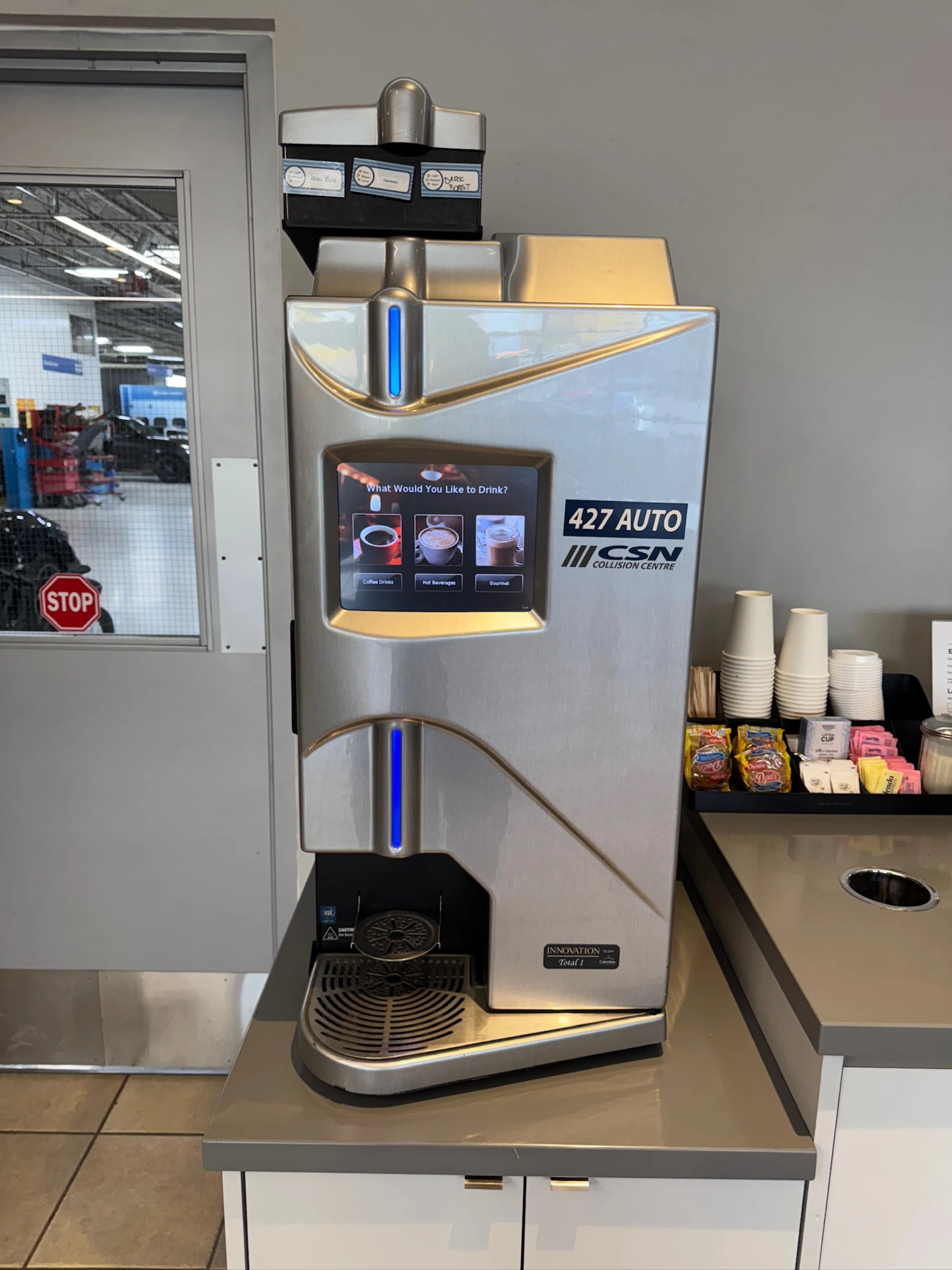
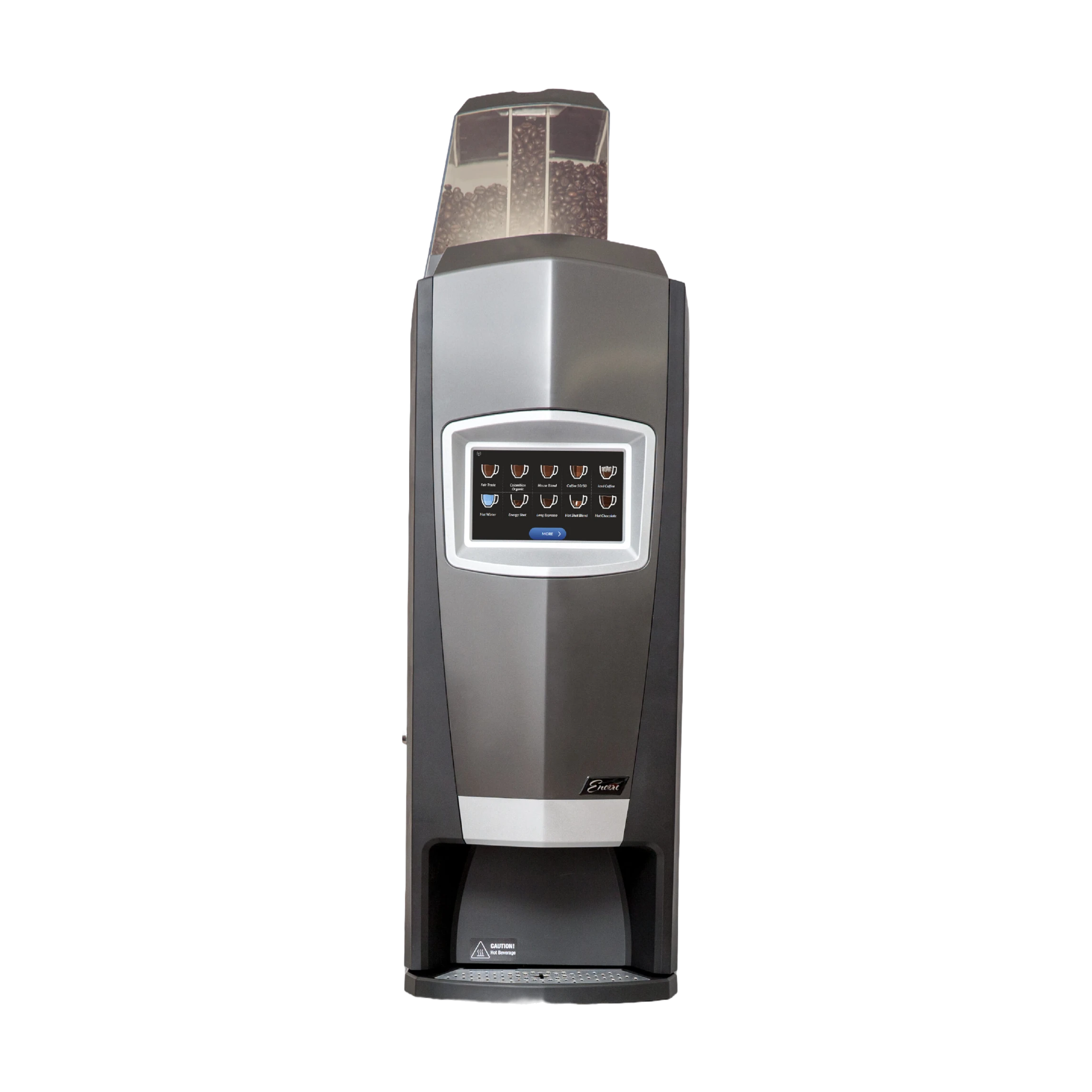
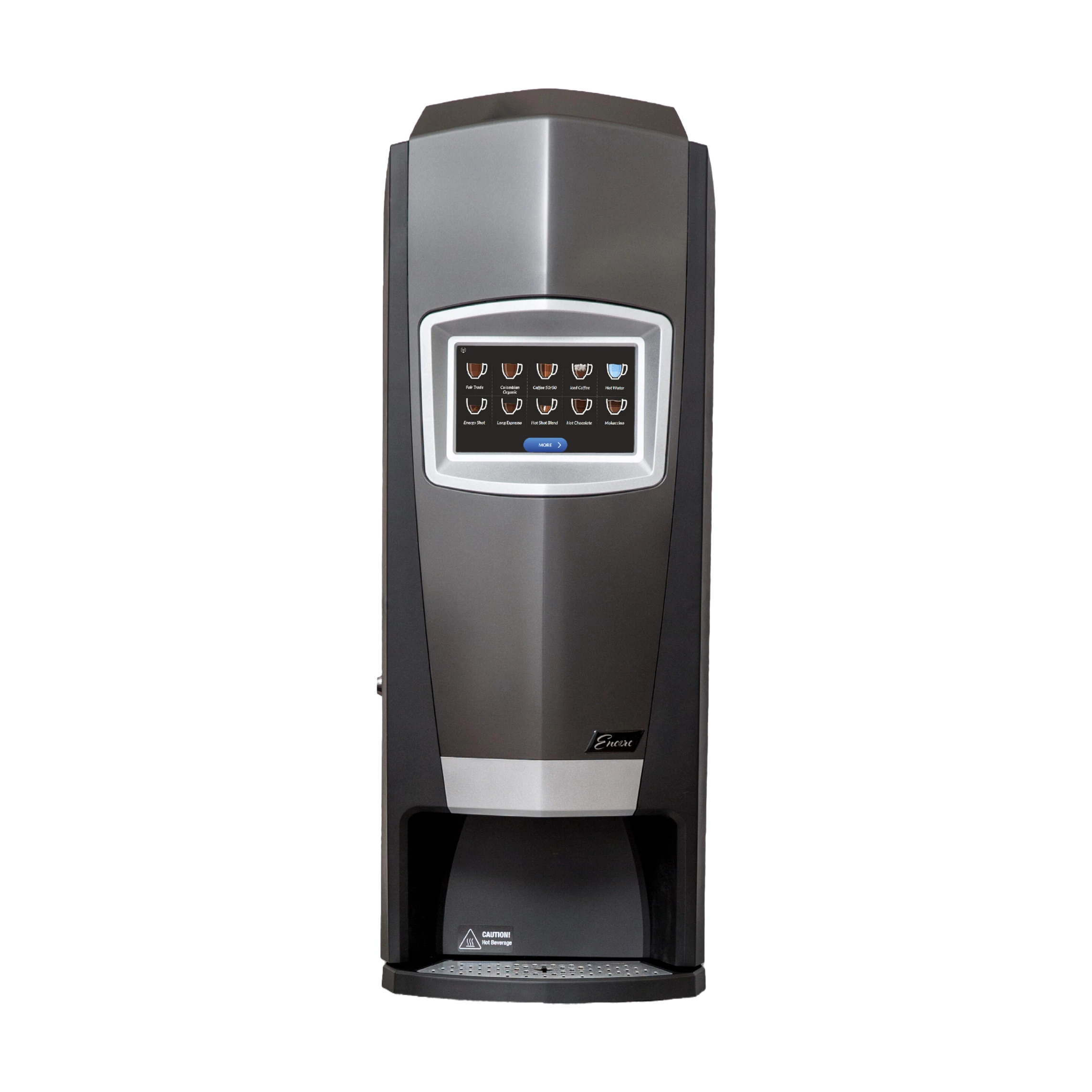
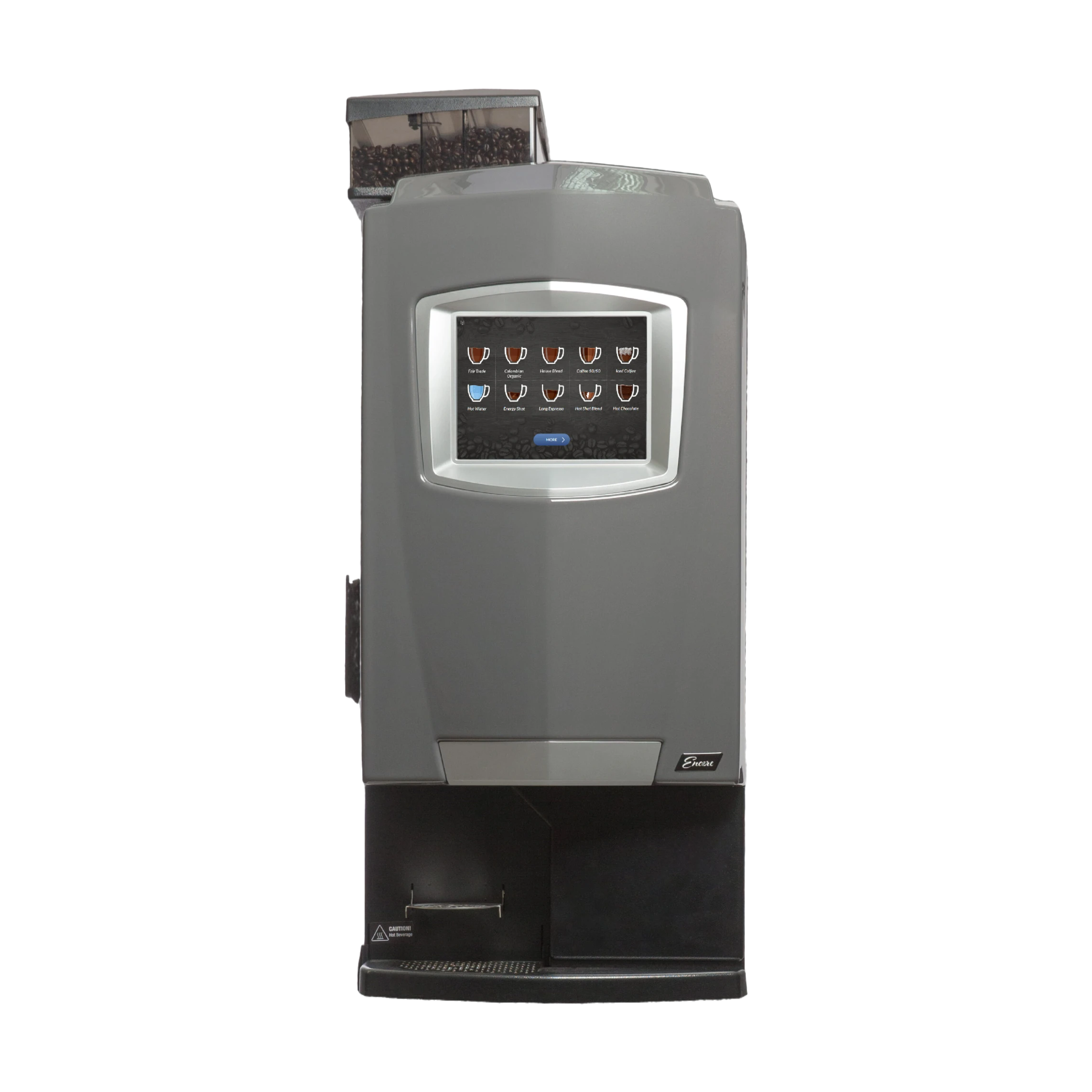
Yes. The Avalon, Avalon Vitality, Innovation, Total Lite, and Encore 29 are discontinued but mechanically familiar, and we service them all, along with the older Triple-B, ZiP, and Pro Bean machines most shops won't open. Parts come from the Quebec depot while stock lasts, from donor units, or from cross-referenced aftermarket equivalents.
Are Cafection parts hard to get?
Easier than for most brands we service, honestly. Cafection kept its parts distribution in Quebec City after joining Evoca, so common components ship next-day instead of crossing an ocean. The wear parts we use constantly, seals, screens, O-rings, hoses, ride on the truck already.
How often does a Cafection machine need descaling in the GTA?
Depends on the water and the volume. On Toronto's moderate water, every three to four months is typical; York Region and Hamilton water is harder and shortens that. The machine's filter counter helps, but we set it against measured water hardness rather than the factory default, which assumes softer water than parts of the region actually have.
What's the most common Cafection repair you see?
Brew chamber seals, by a wide margin. The main chamber O-ring lives a hard life, hot, pressurized, and cycled dozens of times a day, and after 12 to 18 months it starts weeping or jamming the chamber. It's a single-visit fix, and we replace the secondary seals at the same time so you're not booking the same call twice.
Why has the coffee from our Cafection gone weak?
Weak coffee on this platform is grind, dose, or extraction. Burrs dull and the dose drifts light, the agitator can cut its cycle short, or the brew timing has wandered. Each has a quick test at the machine, and the fix is usually a recalibration rather than a part.
How fast can you get to a dead Cafection machine?
Call before mid-morning and a technician usually reaches you the same day; later calls book for the next business day. Offices that lose their only coffee machine get sympathy and priority in roughly equal measure. Give us the model and any error code when you book and the right parts ride along.
What does a Cafection repair visit cost?
A flat visit rate that you hear when you book, with parts billed on top at their actual cost. Most Cafection faults are small-money parts: seals, screens, gaskets, sensors. Anything bigger gets a written quote at the machine before we touch it.
Is it worth repairing our Cafection, or should we replace it?
Repair. These machines are built to be rebuilt, and the common failures cost a small fraction of a new commercial unit. The honest exception is an older machine needing several major components at once; if yours is there, we'll show you the math and let you decide.
How is servicing a Cafection different from a European bean-to-cup machine?
The brewing system is the difference. European super-automatics extract under espresso-style pressure through a compact brew group; Cafection agitates grounds and water in a chamber and filters the result, so the wear pattern, the parts list, and half the diagnostic checklist are different. A technician who only knows European platforms tends to misread this machine, which is how we end up as the second opinion.
Our office coffee machine is leased through an OCS company. Who calls you?
Either of you, and we'll sort the rest. If the operator holds the service contract, we coordinate and bill through them; if your office owns the machine outright, you book us directly. The one thing we ask is to know who can approve work before we start, so nothing stalls at the quote stage.
We have Cafection machines on three floors. Can one visit cover them all?
Yes. One booking, one technician, every machine checked, and a single report listing what was done to each. It's cheaper than three separate calls, and it catches shared causes early, like a building water issue quietly scaling every boiler at the same rate.