
!
Group gasket leak
Ordinary wear under daily pulls. We pull the dispersion screen, fit a new Slayer-spec gasket, lubricate the portafilter ears, and verify the seal runs clean.

Big Slayer steam, single bar
A Steam Single exists to make one bar pour like three, and it only takes a damp wand or a drifting boiler to break the spell. We repair the platform end to end: steam valves, pressurestats, PID and sensor faults, pre-infusion controls, drains and leaks. Small machine, full toolkit, no shortcuts.
We'll get back to you today.
Thanks. We received your request.
A Grajqevci technician will get back to you today to confirm your machine and book the visit. If it's urgent, call us directly at (289) 217-3796.
Something went wrong sending your request.
Please try again, or call us directly at (289) 217-3796 and we'll book your service over the phone. You can also email support@grajqevci.com.
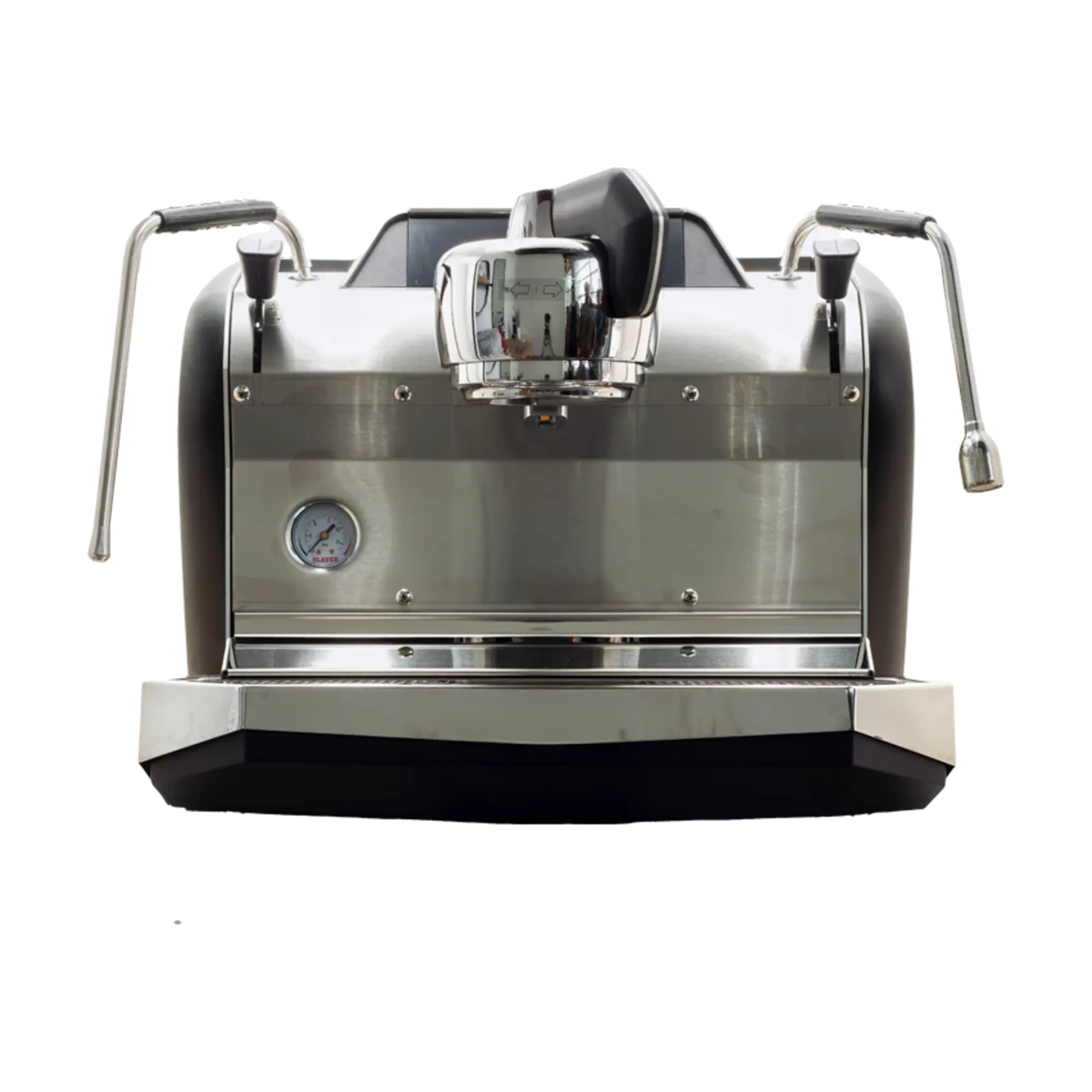
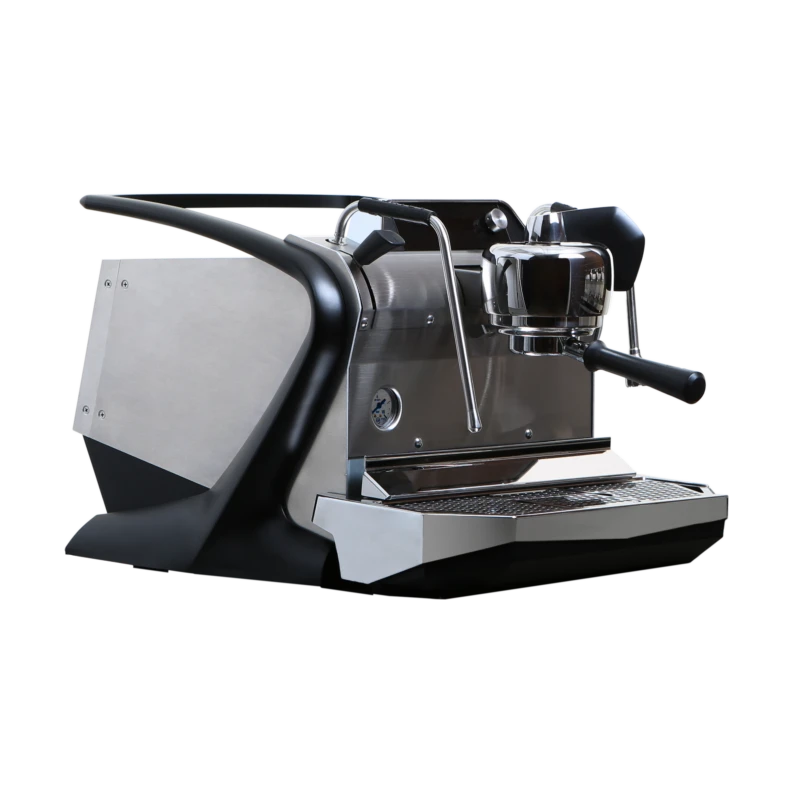
Slayer · Single-group Slayer Steam, dedicated steam circuit
The Steam Single condenses the Slayer Steam architecture, dry-steam circuit included, into one group. A brew boiler, a dedicated steam boiler, and a joystick wand in a footprint sized for tasting rooms and single-bar concepts, rated up to 200 shots a day. Owners buy it for milk texture as much as espresso. In service terms it's the simplest Slayer to live with: fewer groups, fewer boilers, the same wear points in miniature.
Why Grajqevci
Call in the morning and a technician is usually on-site before the day is out. Most Slayer Steam Single jobs get diagnosed and fixed on the first visit.
Commercial coffee equipment is all we do, and Slayer Steam Single is one of the platforms we know best. Not a generalist guessing at a service manual. Genuine OEM parts, industry-standard procedures.
Flat rate for the visit, with parts billed separately. For bigger jobs you'll see a written quote on-site before we proceed.
Skip the wait
Trusted by Toronto's most demanding teams






Steam Single faults we diagnose
Here's the honest Steam Single fault list: the cause behind each problem and the repair that puts it right.
Ordinary wear under daily pulls. We pull the dispersion screen, fit a new Slayer-spec gasket, lubricate the portafilter ears, and verify the seal runs clean.
Bushing wear or coffee fines at the pivot stiffen the action. We disassemble, fit new bushings, then clean and lubricate until the control moves the way it should.
An annual job on a busy bar. The screen comes out for a soak and inspection, and gets replaced if it's dimpled or scaled beyond saving.
Pump wear or the expansion valve. We measure at the portafilter, check pump output, adjust the expansion valve, and replace the pump only if output stays below spec.
The paddle, the solenoid, or the expansion valve is bending the curve. We log the pressure profile with a gauge, identify which one, and replace it.
Points at the NTC sensor or the element. We test against a reference probe, descale the boiler, recalibrate the PID, and replace whichever part is out of spec.
Scale is the usual thief of steam power. We descale the boiler, test the pressurestat, measure element resistance, and replace the component that fails its test.
Brew solenoid, group gasket, boiler fitting, or drain. Pressure-testing and dye-tracing find the true source, and we replace that part alone.
Scale, condensate in the line, or a worn valve cartridge. We descale, rebuild the steam valve with fresh internals, and verify the steam delivers dry.
Cartridge and tip seal wear, nothing more sinister. A rebuild with fresh internals stops the drip and restores the action.
Either NTC drift or a corroded connector. Testing at reference temperatures settles it; we reseat the connector or replace the sensor as the readings dictate.
A ribbon, membrane, or board issue. Board-level diagnosis first, then the right part sourced through Slayer or Cimbali.
Dispersion screen, grind, brew temperature, pre-infusion timing: small drifts that stack. We work through each one and recalibrate until the cup comes back.
The element or the thermal cut-out. A resistance test tells us which, and the failed part gets replaced.
Parts come through Slayer and the Cimbali chain. If a repair ever stops being economical, we say so before quoting.
Your coffee emergency ends here
Call or submit the form. We confirm your address, model, and the issue.
An experienced technician arrives, runs full diagnostics, and identifies the root cause.
You receive a flat, itemized quote. Nothing proceeds without your green light.
We complete the repair, run a test cycle, and walk you through what to watch for.
Parts on the truck
The record
We have a busy break room and the espresso machine matters to our team's morale. They keep it running like clockwork.
*Estimated based on the approximate distance from our nearest service centre, average commute time, and median service-call length for one machine. Prices in Canadian dollars (CAD $). Final quote provided on-site after diagnosis.
FAQ
20 answers covering service, repair, parts, installation, warranty, and edge cases.
Updated August 2026
Three candidates: scale in the steam boiler, a worn valve cartridge, or a blocked tip orifice. Scale is the front-runner on local water. We descale, rebuild the valve if its internals are tired, and verify the steam comes back dry and strong at full open.
Rebuilt, yes. The cartridge and tip seal are designed as wear items, and fresh internals restore the clean on-off action. It's quick work and far cheaper than a new valve.
Generally yes, simply because there's one of everything: one gasket, one screen, one set of valve seals, one brew boiler to descale. The parts are largely shared with the bigger machines, so availability is identical. What you save is mostly labour hours.
Either the NTC sensor is drifting or a connector has corroded where steam migrates inside the chassis. Both produce erratic PID readings. We test the sensor at reference temperatures, reseat or replace the connector, and swap the sensor if the numbers say so.
Stop guessing and call; hidden leaks rarely improve. The source is usually the brew solenoid, group gasket, a boiler fitting, or the drain, and we find it by pressure-testing and dye-tracing rather than tightening things at random. Only the failing part gets replaced.
Up to about 200 shots a day, yes, and it holds quality well inside that ceiling. Push past it daily and the wear schedule compresses: gaskets, cartridge, and screen come due sooner. If your volume has outgrown it, we'll tell you honestly rather than keep billing repairs.
A periodic boiler descale matched to your water, a group gasket and screen check every six months or so, and a steam valve rebuild when the action stiffens. None of it is exotic. Machines that get this attention routinely reach the far end of Slayer's 10 to 15 year lifespan.
Yes. Parts flow through Slayer and the Cimbali chain, and the platform shares enough with the rest of the Steam line that availability stays good. If anything specific becomes uneconomical to fix, you'll hear it from us first.
Flat rate for the visit, parts billed at their actual cost on top. You'll hear the rate when you book, and for bigger jobs we quote in writing on-site before any work starts. No estimate that balloons mid-job.
Same-day. Call in the morning and a technician is usually on-site before the day is out; calls placed later in the day book for the next morning. Urgent breakdowns get priority routing.
The GTA and most of the Golden Horseshoe: Toronto through Mississauga, Vaughan, and Markham, out to Oshawa, Hamilton, and Niagara. If you're not sure you're in range, call and we'll tell you straight.
No. We work call by call. Plenty of customers put us on a maintenance schedule eventually, but that's their choice after seeing the work, never a requirement.
Parts carry their manufacturer warranty, and we stand behind our labour: if the same fault recurs, call us and we'll review it. Specific terms are discussed upfront on each job, not promised in marketing copy.
On-site whenever possible, which is most of the time. If a job genuinely needs the bench, like a full boiler rebuild or major electronics work, we'll say so before anything leaves your building.
Call us or send the form on this page. We confirm the machine, the fault, and a time window the same day. If it's urgent, say so and we'll route the nearest technician.
Diagnosis first: we confirm the fault, tell you what caused it, and quote the fix before touching a wrench. Most repairs finish in that same visit because the common wear parts ride on the truck.
High-wear parts for the platforms we service constantly ride on the truck. Anything else we order, usually next-day where suppliers allow, and we tell you the lead time before committing you to anything.
Usually, yes. We service legacy machines for as long as parts can be sourced, and we're honest when a repair stops making financial sense against a replacement. You get the math, you make the call.
Often, but that's not the pitch. We quote against the actual work, not a factory pricing book, and we'll tell you when a manufacturer warranty claim is the better route. Transparency is the value; the price usually follows.
Yes, and we do it by default on the way out. Half of repeat faults trace back to skipped daily cleaning or wrong routine, so the technician walks your team through what actually matters before leaving.
Call once and the right parts come to your bar.
Call (289) 217-3796 now →