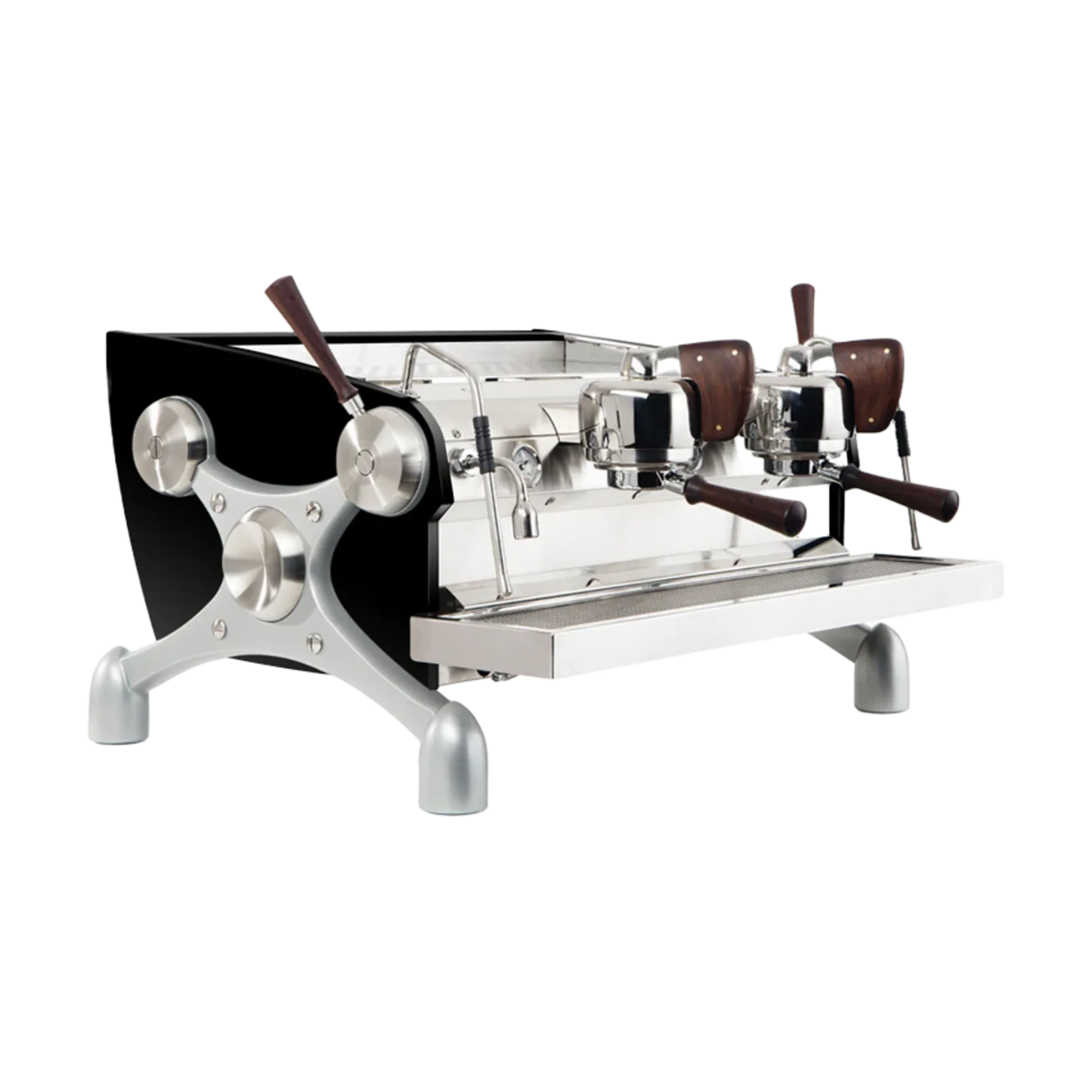
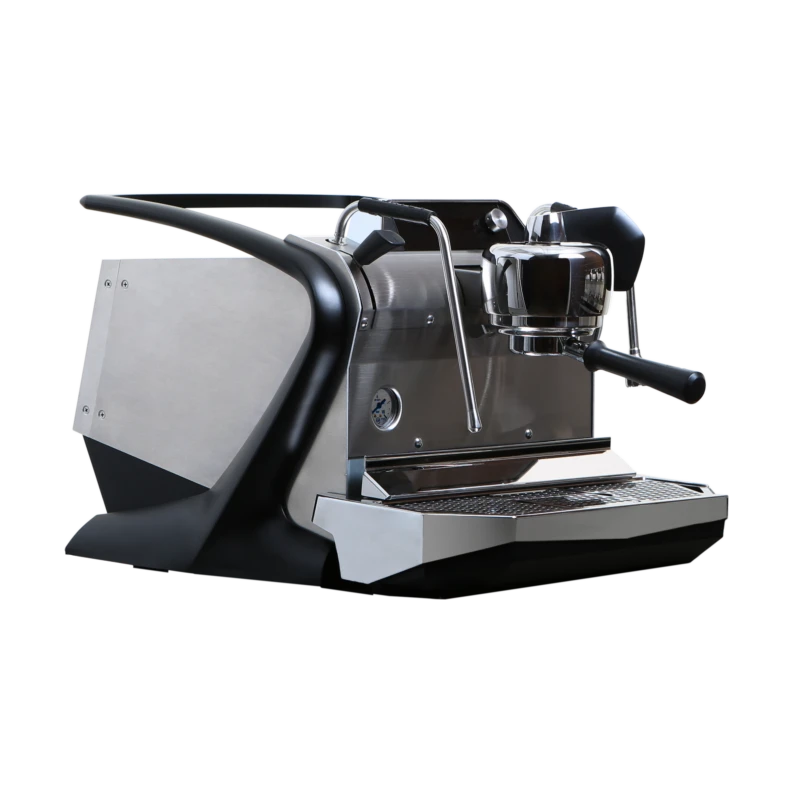
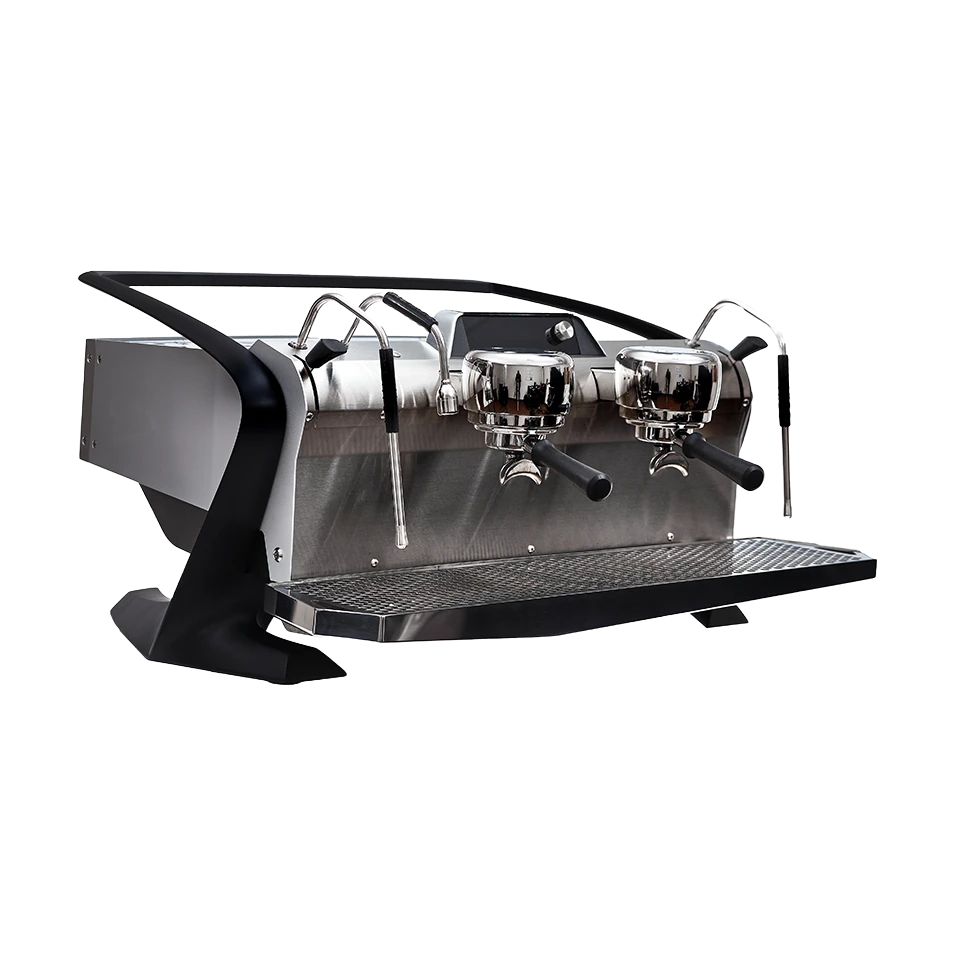
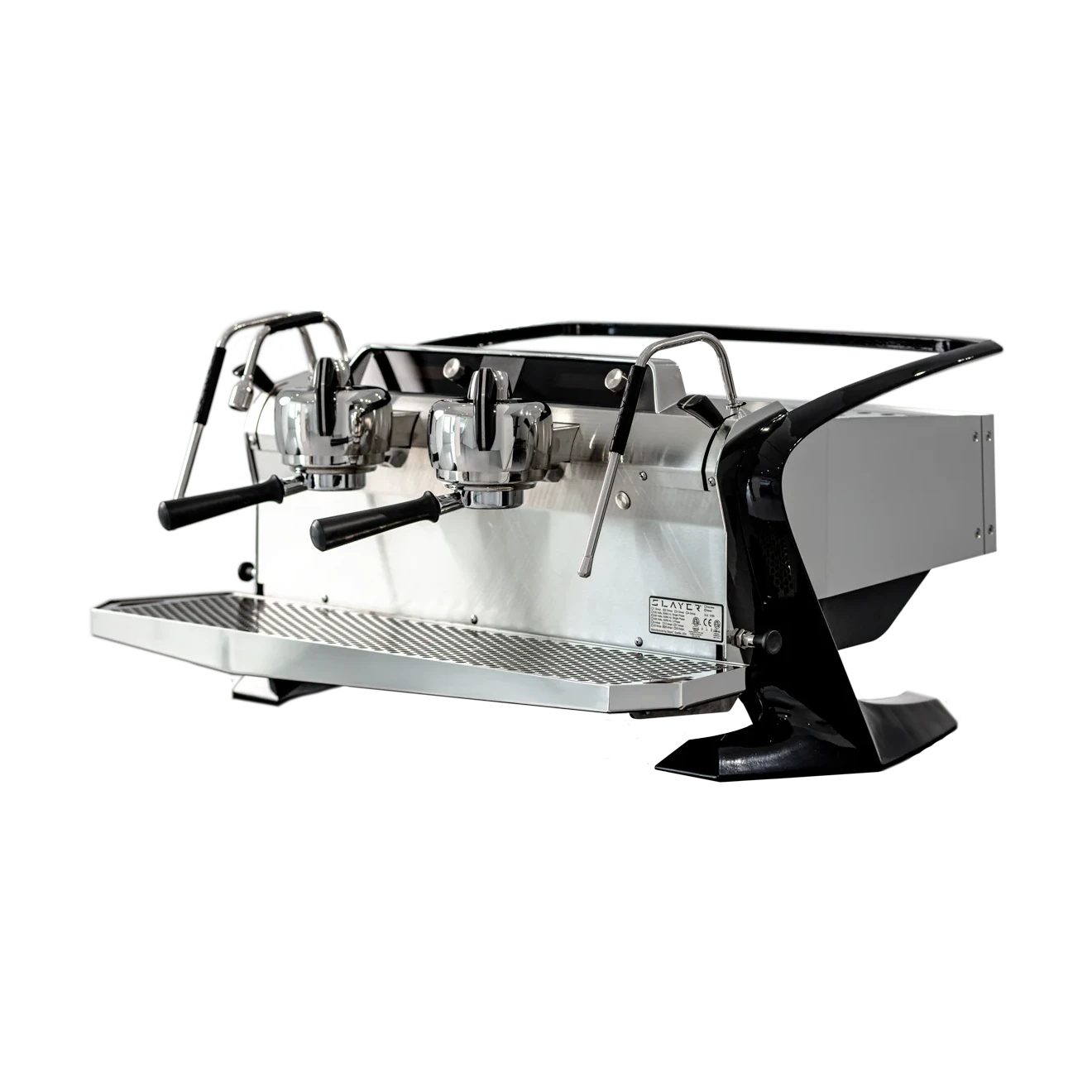
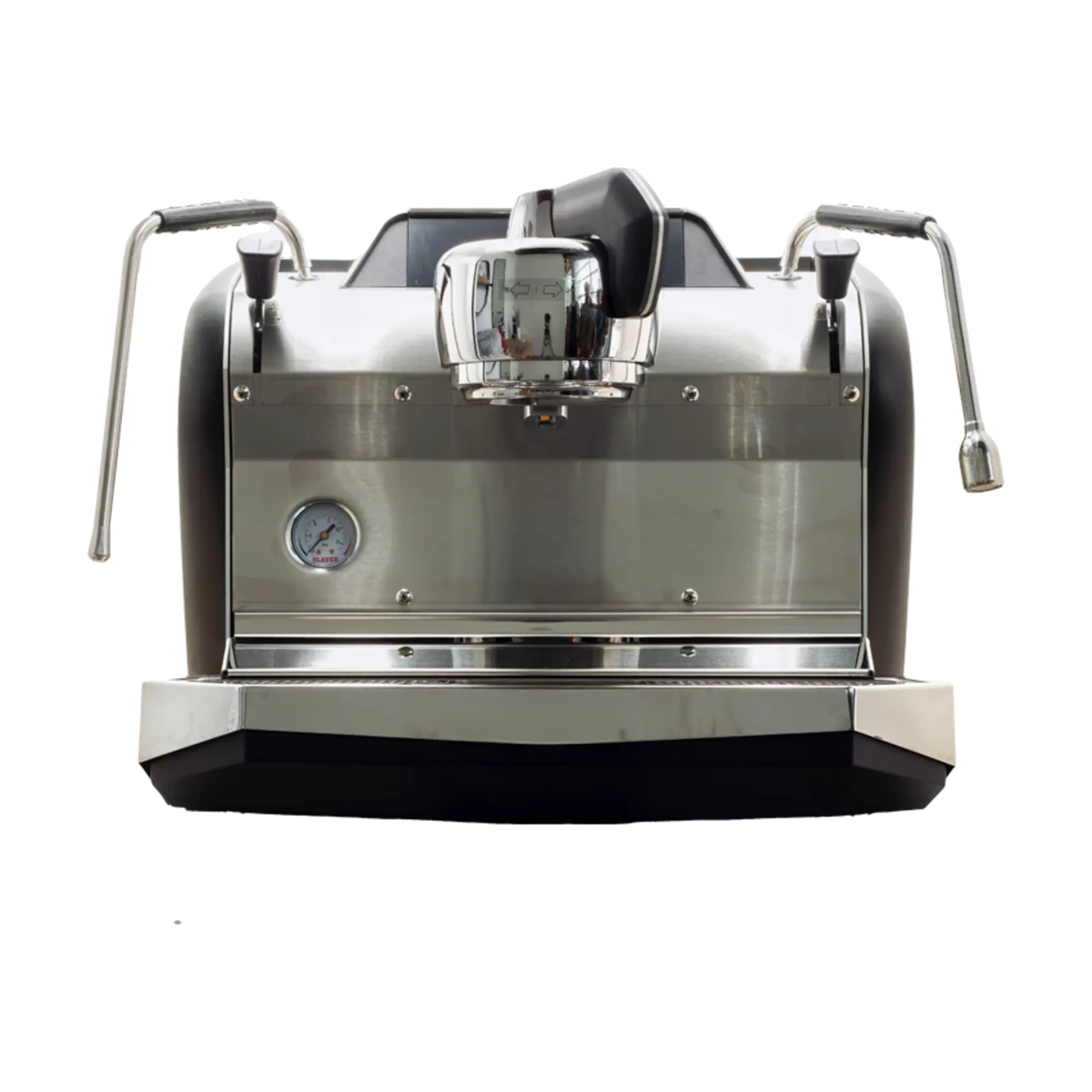
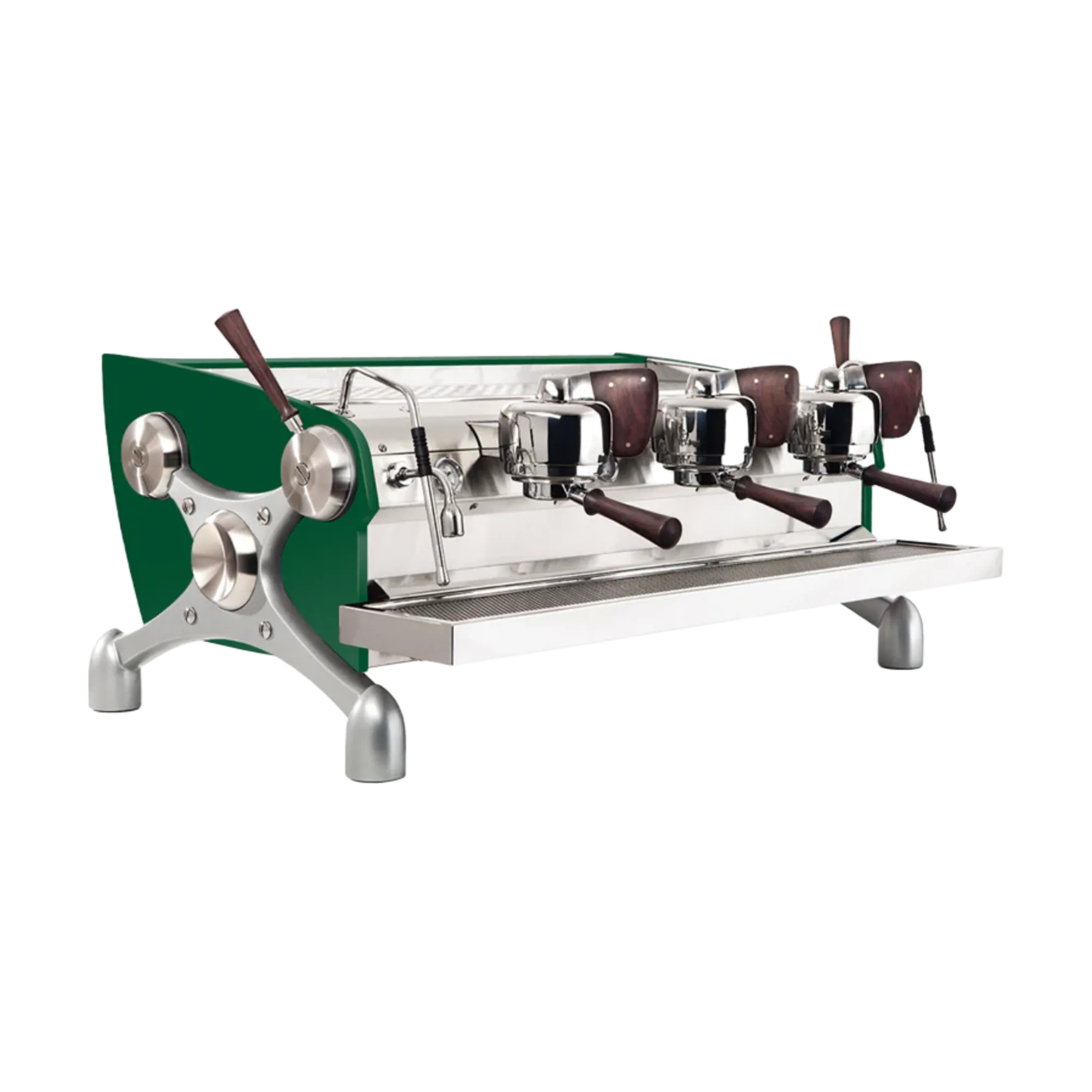
Who repairs Slayer espresso machines in Toronto?
We do. Grajqevci is an independent commercial coffee equipment company, and Slayer machines from specialty cafes, roastery bars, and restaurant espresso programs are part of our regular rotation. The coverage list further down the page shows every GTA zone we reach.
Are you authorized by Slayer Espresso?
No, and we won't pretend otherwise. We're independent specialists, which means we can work on out-of-warranty machines, quote without a factory pricing book, and keep older v1 and v2 Slayers running after official channels move on. For in-warranty faults we'll tell you when Slayer's own channel is the better route.
Can you rebuild a Slayer needle valve?
Yes, it's one of our most common Slayer jobs. The needle and seat get cleaned and polished, the seal kit replaced, and the actuator linkage lubricated, then we verify smooth travel from full restriction to wide open. The seal kits ride on the truck, so it's usually a one-visit repair.
Why does my Slayer's paddle feel rough or notchy?
Sediment or scale inside the needle valve, or worn PTFE bushings in the paddle linkage. Both are wear items rather than failures, and both are caught early by how the paddle feels in the hand. If yours has changed feel, book a service before the pre-infusion ramp starts drifting too.
My shots won't repeat even though nothing seems broken. What's going on?
On a Slayer that's usually small drift in several systems at once: the dispersion screen, the grinder, brew temperature offset, and pre-infusion timing. Each one alone is invisible; stacked, they wreck consistency. We check all four and finish by pulling calibration shots with your head barista.
Do you understand flow profiling, or will you just swap parts?
Profiling is the reason these machines exist, so we treat the profile as part of the repair. Pressure curves get logged with a portafilter gauge before and after the work, and we re-verify your reference profile before sign-off. A Slayer that's mechanically fixed but pours differently isn't fixed.
What does it mean that each Slayer group has its own boiler?
Most Slayer Espresso and Steam machines run an independent brew boiler per group, each with its own PID, sensor, and heating element. That's great for stability and means one group can fail while the others run fine. It also means diagnosis is per-group: we test and calibrate each one separately.
One group on my Slayer runs colder than the other. Can you fix just that group?
Yes, and that's exactly how we approach it. A single cold group points at that group's NTC sensor, scale on its element, or its PID calibration, so the work stays contained there. The healthy groups aren't touched.
Why is the steam on my Slayer suddenly wet?
Slayer Steam machines are built for dense, dry steam, so wet steam means something specific: usually scale in the steam boiler, condensate in the line, or a failing superheater on machines that have one. All three are testable at the machine. Your latte art will tell you before the gauge does.
How often does a Slayer need descaling in the GTA?
More often than the manual suggests if you're on unfiltered municipal water; local supplies run moderately hard and Slayer's flow meters and group boilers both notice. With proper filtration, an annual boiler service usually keeps ahead of it. We check scale condition on every visit and will tell you honestly where yours stands.
Do you carry Slayer parts, or does everything get ordered?
The wear items ride with us: needle valve seal kits, group gaskets, steam valve cartridges, PTFE bushings, NTC sensors, and common O-rings. Bigger items like pump heads, encoders, controller boards, and elements are ordered through Slayer or the Cimbali parts network, usually within a few business days. We tell you the lead time before you commit.
Has Cimbali buying Slayer changed anything for parts?
For the better. Gruppo Cimbali took a majority stake in 2017, and the practical effect has been a more stable parts supply chain and wider distribution. Slayer still builds the machines by hand in Seattle; the parts pipeline behind them just got deeper.
Can you service a pre-2017 Slayer v1 or v2?
Yes. Some original parts have left production, so we source through Slayer's network, salvage from decommissioned machines, or fit equivalents where that's appropriate. If a repair ever stops making financial sense against the machine's value, we'll say so before quoting.
How much does a Slayer repair cost?
The visit and diagnosis are a flat rate you hear when you book; parts are billed on top at their actual cost. A needle valve seal kit is modest money, a controller board is not, and you'll have the full number in writing before any large job starts. No meter running while we diagnose.
How fast can you get to a dead Slayer?
Call before mid-morning and a technician usually reaches you the same day; later calls book for the next business day. A specialty bar with one machine and a lineup gets moved up the route. Give us the model and symptom when you book so the likely parts travel with the tech.
Will you work around our service hours?
Yes, that's normal for cafe work. Early-morning, post-close, and Monday-closure slots exist so the machine is down when the bar is, not during rush. Tell us your hours when you book and we'll find the window that costs you the least revenue.
Can you help dial the machine back in after the repair?
We don't leave until that's done. Repairs finish with calibration shots, and on profiling machines we log the pressure curve so you can see the ramp matches your reference. If your head barista wants to be there for that part, tell us and we'll time the visit around them.
What's the difference between the Slayer Espresso and Slayer Steam lines when something breaks?
The Espresso line's character is mechanical: needle valves, paddle linkages, and encoders doing the profiling work. The Steam line adds the dedicated dry-steam circuit and, on the EP, volumetric dosing with flow meters and pre-infusion solenoids. Different failure patterns, same trucks, same platform knowledge.
Our water filter changed and now the doses are off. Related?
Almost certainly, if you're on a volumetric Steam EP. Flow meters read water movement, and a change in filtration changes what moves past the impeller. A recalibration of dose-per-button against the new water profile usually sorts it in one short visit.
Is a worn Slayer worth fixing, or should we replace it?
Usually worth fixing. These are hand-built machines with 10 to 15 year service lives, and most of what fails (seals, gaskets, sensors, cartridges) is small money against replacement. When a machine genuinely reaches the point where repair stops paying, we give you the math and let you decide.